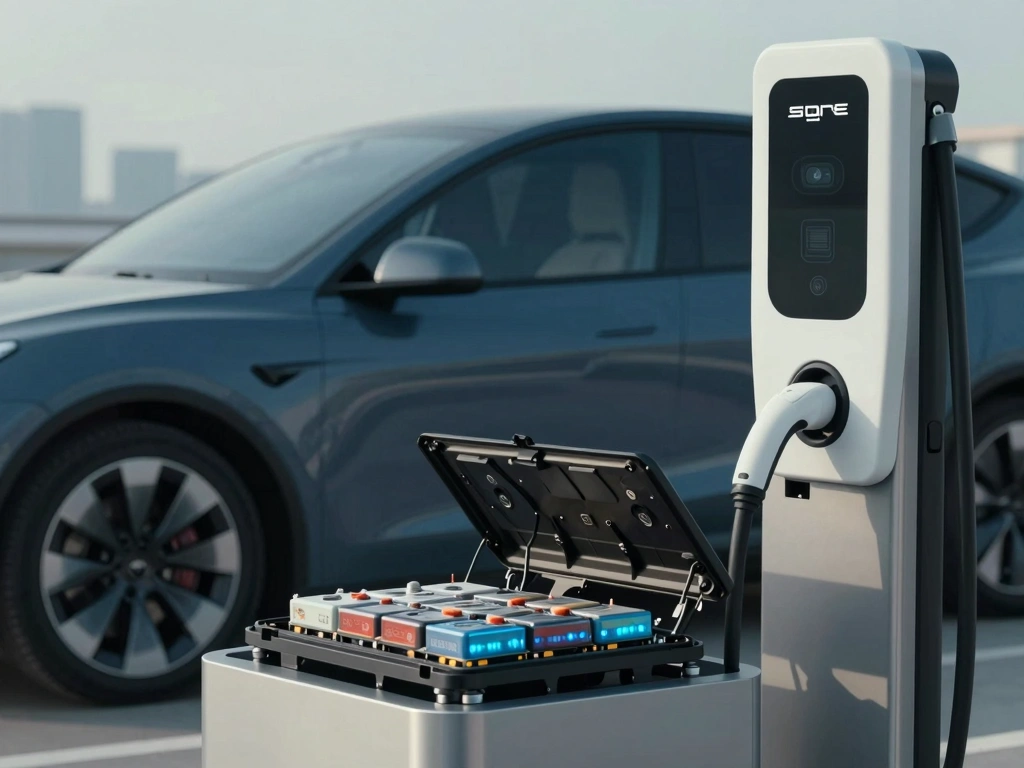
The Chemistry Behind EV Battery Degradation
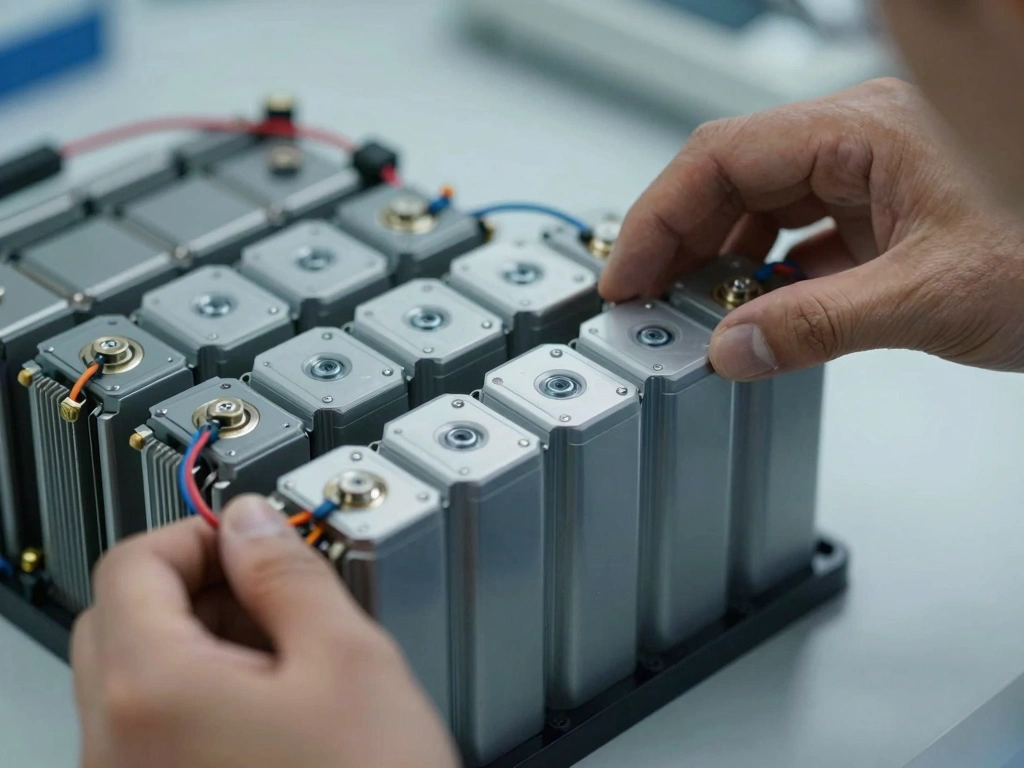
Understanding Lithium-Ion Battery Components
The heart of most electric vehicles (EVs) is the lithium-ion battery, which consists of several key components: the anode, cathode, separator, and electrolyte. The anode is typically made from graphite, while the cathode is often composed of lithium metal oxides such as lithium nickel cobalt aluminum oxide (NCA) or lithium iron phosphate (LFP). The separator is a permeable membrane that prevents short circuits between the anode and cathode while allowing lithium ions to pass through. The electrolyte, usually a lithium salt dissolved in an organic solvent, facilitates the flow of ions during charging and discharging cycles.
The Role of Electrolyte in Degradation
The electrolyte plays a crucial role in battery performance and longevity. Over time, the electrolyte can decompose due to various factors, leading to the formation of a solid electrolyte interphase (SEI) layer on the anode. This layer is essential for battery function but can also consume lithium ions, which reduces the battery's capacity. For instance, in high-temperature environments, the electrolyte's stability is compromised, causing faster degradation and decreased cycle life. Studies show that at temperatures above 40°C (104°F), the degradation rate can increase significantly, leading to an estimated loss of 20% capacity within just a few hundred charge cycles.
Impact of Temperature on Chemical Reactions
Temperature is a critical factor affecting the chemical reactions within lithium-ion batteries. Elevated temperatures accelerate the rate of chemical reactions, which can lead to accelerated degradation. For example, a study conducted by the National Renewable Energy Laboratory (NREL) found that a lithium-ion battery's lifespan could be reduced by 50% when consistently operated at temperatures above 45°C (113°F). Conversely, operating a battery in extremely cold conditions can also hinder performance, as ion mobility decreases, leading to lower power output and efficiency. Maintaining an optimal temperature range (typically between 20°C to 25°C or 68°F to 77°F) is essential for prolonging battery life.
Factors Influencing Rate of Degradation
Charging Habits and Their Effects
The way an EV is charged can significantly affect battery degradation. Frequent fast charging, while convenient, can lead to increased heat generation and higher stress on the battery cells. For instance, using a DC fast charger can lead to higher internal temperatures compared to Level 2 charging, which operates at a lower current. Research indicates that consistently fast charging can reduce battery capacity by approximately 30% over the lifespan of the battery compared to regular charging methods. To mitigate this, EV manufacturers recommend using slower charging methods during routine overnight charging.
Impact of Driving Conditions on Battery Life
Driving conditions play a vital role in the rate of battery degradation. Aggressive driving, which involves rapid acceleration and heavy braking, can lead to increased energy draw and heat buildup. A study by MIT found that driving style can influence battery life by up to 20%. In contrast, smoother driving habits can help maintain battery health. Additionally, frequent exposure to hilly terrains requires more energy, leading to increased power consumption and heat generation. EV owners who adopt more conservative driving styles can help prolong the battery's lifespan.
Environmental Influences on Battery Performance
The environment in which an EV operates can significantly impact battery degradation. High humidity levels can lead to the corrosion of battery components, while extreme temperature fluctuations can exacerbate chemical reactions that degrade the battery. For example, a report from the International Energy Agency (IEA) indicated that EV batteries in tropical climates could degrade up to 10% faster than those in temperate regions. Moreover, exposure to saltwater or other corrosive elements can also accelerate the degradation process, highlighting the importance of considering environmental factors when assessing battery health.
Stages of Battery Degradation Over Time
Initial Performance Drop: What to Expect
When a lithium-ion battery is first put into use, it typically experiences an initial performance drop, commonly referred to as "capacity fade." This can occur within the first few hundred cycles as the SEI layer forms and stabilizes. For instance, a new EV battery may start with a capacity of 100 kWh but could show a decrease to about 95 kWh after just 100 cycles. This initial drop is often viewed as normal wear and tear, and many users may not notice a significant impact on day-to-day driving.
Mid-Life Performance Stabilization
After the initial performance drop, the rate of degradation often stabilizes during the mid-life of the battery. This phase can last several years, depending on usage patterns, environmental conditions, and charging habits. During this period, the battery may maintain around 80-90% of its original capacity. For example, a Tesla Model S battery, which has a typical lifespan of around 300,000 to 500,000 miles, may still provide a substantial range of about 250-300 miles on a full charge during this phase.
End-of-Life Characteristics and Failures
As the battery approaches the end of its life, characteristics change significantly. Capacity loss accelerates, and the battery may exhibit reduced performance, longer charging times, and less efficiency. At this stage, the battery may fall below 70% of its original capacity, rendering it less practical for daily use. Common failure modes include battery swelling, leakage, and increased internal resistance, which can lead to overheating and possible safety hazards. EV manufacturers often implement battery management systems to detect these issues early and alert users to potential failures.
Diagnostic Tools for Monitoring Degradation
Battery Management Systems (BMS) Explained
A Battery Management System (BMS) is integral for monitoring the health and performance of lithium-ion batteries in EVs. The BMS tracks parameters such as voltage, temperature, and state of charge (SoC), allowing for effective management of the battery's operating conditions. It ensures that individual cells within the battery pack are balanced, preventing overcharging or deep discharging that can accelerate degradation. For example, the BMS in a Nissan Leaf continually assesses battery health and can alter charging profiles to optimize longevity.
Real-Time Monitoring Technologies
Advancements in technology have led to the development of real-time monitoring systems that provide insights into battery health. These systems utilize sensors and data analytics to track battery performance and predict degradation patterns. For instance, Tesla's vehicles are equipped with sophisticated software that monitors battery usage and can alert drivers to potential issues before they become critical. Such real-time data allows users to make informed decisions regarding charging habits and maintenance, ultimately extending the battery's life.
Predictive Analytics in Battery Health Management
Predictive analytics is becoming an essential tool in battery health management. By utilizing machine learning algorithms, manufacturers can analyze historical data and predict future battery performance. For example, companies like A123 Systems utilize predictive analytics to forecast battery degradation based on various operational metrics, allowing them to optimize battery design and performance. This proactive approach helps in identifying potential failures before they occur, ensuring a safer and more reliable EV experience.
Strategies to Mitigate Battery Degradation
Optimal Charging Practices
Adopting optimal charging practices is crucial for prolonging battery life. EV owners should aim to charge their vehicles during cooler parts of the day and avoid frequent fast charging unless necessary. For daily use, maintaining the battery charge between 20% and 80% can help minimize stress on the cells. For instance, Tesla recommends using the "Daily" charging setting, which limits the charge to 90% for regular use while allowing 100% for long trips. These practices can significantly reduce the rate of degradation over time.
Temperature Management Solutions
Implementing temperature management solutions can also help mitigate battery degradation. Many modern EVs come equipped with thermal management systems that regulate battery temperature during operation and charging. For example, the Chevrolet Bolt EV utilizes an active thermal management system that circulates coolant to maintain optimal battery temperatures. Additionally, parking the vehicle in shaded areas or garages during extreme heat can further protect the battery from excessive temperatures, aiding in longevity.
Future Technologies in Battery Longevity
As research into battery technology advances, new solutions are emerging to enhance battery longevity. Solid-state batteries, for instance, promise improved safety and longevity compared to traditional lithium-ion batteries. They utilize a solid electrolyte, which can prevent the formation of unwanted SEI layers and reduce the risk of thermal runaway. Companies like QuantumScape are at the forefront of this innovation, potentially revolutionizing EV batteries in the coming years. Furthermore, advancements in battery recycling technologies can help reclaim valuable materials, making the entire lifecycle of EV batteries more sustainable.